





 AD광고
AD광고New경이롭고 치열한 생존 이야기극한 진화의 세계
 AD광고
AD광고Best Seller소년 김구의 가슴 뜨거운 역사설민석의 한국사 대모험 38
적립금
1,290원 (3% 적립)
추가 적립
추가 적립 안내
5만원 이상 결제 시 (*배송비 제외)
정가제FREE(상품/사은품) 금액이 2,000원 이상이면 2,000원 추가적립
10만원 이상 결제 시 (*배송비 제외)
정가제FREE(상품/사은품) 금액이 2,000원 이상이면 2,000원 추가적립
정가제FREE(상품/사은품) 금액이 5,000원 이상이면 5,000원 추가적립
결제혜택
무이자 할부
신용카드 무이자할부 안내
결제사 혜택
결제사 혜택 안내



쿠폰
등록 페이지로 이동
배송비
무료 (해외배송의 경우 지역에 따라 상이)
배송안내
서울특별시 강남구 강남대로 542(논현동, 영풍빌딩)
- 배송지역 선택
- 주소 검색
지금 택배 주문하면 10/7(수) 출고 가능
택배보다 빠른, 나우드림
42,570원
NAVER 네이버 ID로 간편구매 네이버페이
| 네이버페이 구매하기 | 찜하기 |
[네이버페이]
상품 규격 정보
| ISBN | ISBN-13 : 9791130397085 |
|---|---|
| 쪽수 | 684쪽 |
| 크기 | 규격 외(176mm X 248mm, 크라운판) |
| 제품구성 | 양장 |
이 책이 속한 분야
- 정치/사회 > 법학
관련 이벤트



책 소개
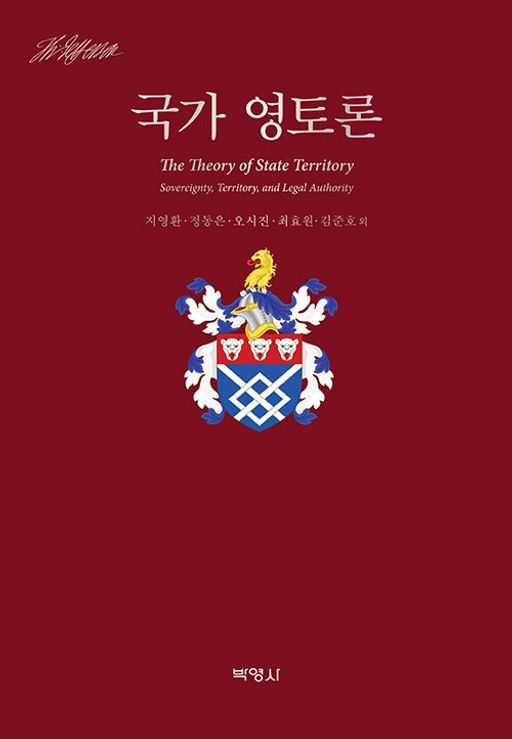
이 책은 국가영토에 관한 전문가들(국제법, 역사, 사상사)의 논고를 모은 것이다. 그래서 여러 스펙트럼이 존재할 수 있다. 하지만 이들 논의는 모두 대한민국의 국가영토를 직간접적으로 조망하는 데서 일치를 본다.
여기서 말하는 ‘국가영토’란 국가와 영토를 단순히 합한 것이 아니라 ‘국가의 영토’에 대한 논의를 지칭한다. 주지하다시피 국가가 성립하기 위해서는 기본적으로 ‘영토, 국민, 주권’의 세 가지 요소가 필요하다. 국가는 일정한 경계를 가진 물리적 공간으로서의 영토, 그 영토 내에 거주하는 사람들인 국민, 외부 간섭 없이 독립적으로 자국의 정책을 수립하고 실행할 수 있는 능력(통치의 최고 권력)인 주권이다. 영토는 인간에 비유한다면, 정신이 활동할 수 있는 물리적 공간인 신체에 해당한다. 신체 없는 정신이 없듯이 영토 없는 국가란 현실적으로 불가능하다.
현재 지구상에는 영토를 둘러싼 분쟁, 전쟁이 지속되고 있다. 여기에는 국가 간에 축적돼온 갈등과 이해(利害)의 역사가 있어 해결이 간단치 않다. 자국의 영토를 자력 혹은 국가 간의 연대(連帶)·연합(聯合)에 의해 지켜갈 수 있어야만 국가가 국가다울 수 있다. 한자어의 나라 ‘국(國)’ 자는, 국가라는 것이 ‘영토’[□]와 그 땅을 무기로 지키는[或] ‘군대’에 의해 유지됨을 보여준다.
현재 영토라는 개념은 국제법에 따라 정해지며 한 국가가 관할하고 있는, 다시 말해 통치권이 미치는 ‘육지, 바다, 상공’의 영역을 가리킨다.
어쨌든 국가영토‘론’은 국가의 영토에 대한 ‘논의’를 뜻하며, 국가영토‘학’을 뒷받침하는 이론과 그 실천의 토대를 이룬다. 이런 많은 연구와 탐색을 통해서 ‘영토권 규명을 위한 체계적인 학문’이 성립한다.
대한민국에서 ‘영토’라 하면 제일 먼저 떠오르는 것이 ‘독도’이다. 독도는 일본과 영유권을 둘러싸고 대립하고 있다. 하지만 기본적으로 우리는 “역사적, 지리적, 국제법적으로 대한민국의 영토”라고 일관된 주장을 하고 있다. 물론 독도에 대한 논의는 역사적, 지리적, 국제법적 문제 외에도 대한민국의 현실 속에서 정치·외교적, 해양적, 군사적, 문화·관광적, 교육적 등 다양한 영역과 연관돼 논의되고 있다.
한편 한민족의 잠재의식 속에는, 지난 역사가 진술하는 “북쪽의 ‘간도(間島)’와 남쪽의 ‘대마도(對馬島)’ 등” 기억을 거슬러 올라 무의식적인 영토 의식을 간직하고 있다. 이것은 이미 절단되어서 상실한 팔다리가 아직도 있는 것처럼 느껴지는 이른바 ‘환상지 고통’(phantom limb pain, 幻想肢痛)처럼 한국인들의 기억에 남아 있는 잠재적 영토라 해도 좋겠다.
목차
[목 차]
1 / 영토 개념에 대한 비판적 고찰
Ⅰ. 서론 1
Ⅱ. 서양 중세 영토 개념 4
Ⅲ. 경계선 중심 영토 개념의 형성 7
Ⅳ. 신대륙의 경계선과 무주지 10
V. 경계선의 식민주의적 함의 15
Ⅵ. 19세기 전후 국제법리에 반영 20
Ⅶ. 결론 23
2 / 국제법상 토착민에 대한 고찰
Ⅰ. 서론 29
Ⅱ. 국제법상 토착민 개념의 문제 33
Ⅲ. 토착민 관련 주요 국제규범 개요 38
1. 토착민 관련 역사적 국제규범과 ILO의 토착민 규범 발전 과정 39
2. UN 토착민의 권리에 관한 선언과 여타 국제규범 43
Ⅳ. 토착민의 탈식민주의적 주장과 국제법 법리의 변화 46
1. 토착민의 자결권 사안과 그 함의 46
2. 토착민의 문화적 권리와 문화다양성 52
3. “땅”과 “영토”에 대한 다원적 국가 이해 58
V. 결론 64
3 / 국가는 왜 국경을 관리하려고 하는가?
Ⅰ. 국경이란 무엇인가 75
1. 근대적 국경 75
2. 국경에 대한 정의 78
3. 국경의 투과성(permeability) 87
Ⅱ. 관리대상으로서의 국경 88
1. 이동에 대한 합법적 통제(기록-합법적 이동권의 장악-주권적 통제) 88
2. 관리대상으로서의 국경, 국경관리 94
3. 국경관리의 지향점—국가안보와 안전, 경제발전 99
4 / 국제법상 시법제의 발전과정과 적용이론
Ⅰ. 시제문제와 국제법 113
1. 시제법의 의의 113
2. 시제법의 특성 114
3. 국제법상 시제법이 문제가 되는 분야 116
4. 시제법의 발전과정 124
Ⅱ. 시제법에 관한 전통적 개념 127
1. 팔마스 섬 사건 중재판정의 시제법적 함의 127
Ⅲ. 시제법의 적용이론 144
1. 시제법 원칙과 시제법 규칙 144
2. 시제법 제1규칙의 적용 145
3. 시제법 제2규칙의 적용 147
Ⅳ. 소결 159
5 / 영토헌법주의와 대한민국 영토 독도
Ⅰ. 들어가며 161
1. 영토헌법주의의 개념 162
2. 영토헌법주의의 유형 167
Ⅲ. 영토헌법주의와 독도 171
1. 대한민국의 영토헌법주의와 독도 171
2. 역사적 권언(Historic Title)으로서의 독도 175
3. 小結 181
Ⅳ. 일본 헌법과 독도 182
1. 일본헌법과 일본영토 182
2. 일본 역사 속의 독도 183
3. 실효적 지배(Effective Control) 187
4. 小結 190
Ⅴ. 영토헌법주의의 실현을 위한 제안 190
1. 영토헌법주의의 공고화 190
2. 동해는 영어로 ‘Korean Sea’다 191
3. 독도는 ‘암석’이 아니라 ‘섬’이다 192
4. 독도는 ‘개발’을 넘어 ‘보존’해야 한다 192
6 / 미국 건국에 있어서 영토성립과 영토인식에 관한 연구
Ⅰ. 들어가면서 195
Ⅱ. 유럽 제국주의의 북아메리카대륙 점령 197
1. 북아메리카에 있어서 원주민 인디언의 상황 197
2. 스페인의 점령지 198
3. 프랑스의 점령지 200
4. 영국의 점령지 202
5. 네덜란드인의 점령지 205
6. 아프리카 흑인의 북아메리카 대륙진출 206
Ⅲ. 영국의 북아메리카 대륙에서의 식민지지역 통합 207
1. 프랑스와의 식민지 전쟁 207
2. 네덜란드와의 식민지 전쟁 209
Ⅳ. 영국과의 전쟁에 의한 미국의 독립선언과 영토 확정 212
Ⅴ. 미국의 영토인식과 독도문제와의 관련성 214
Ⅵ. 맺으면서 218
7 / ‘독도’ 연구에 대한 성찰과 제언
Ⅰ. 서론 221
Ⅱ. 독도 ‘문제’의 반성과 해소 방안의 모색 224
1. 독도 ‘문제’ 되짚어보기 224
2. 국가주의에 기댄 ‘문헌실증주의’의 허위 231
3. ‘해결’에서 ‘해소’로: ‘새로운 가치’로의 의식 전환을 244
Ⅲ. 결론 246
8 / 대일 독도관련 입장의 기조로서 ‘변영태문서’ 및
‘변영태성명’에 대하여
Ⅰ. 들어가는 말 253
Ⅱ. ‘독도=역사문제’라는 대한민국 정부 인식의 기원 257
Ⅲ. ‘변영태문서’ 및 ‘변영태성명문’에 대하여 263
1. ‘변영태 문서’에 대하여 264
2. ‘변영태 장관 성명’에 대하여 267
Ⅳ. 나오는 말 274
9 / 대한민국 영토(領土) 녹둔도(鹿屯島)
Ⅰ. 한국의 영토 녹둔도(鹿屯島) 277
1. 서울 의여도 10배만한 녹둔도(鹿屯島) 277
2. 태조(太祖)가 개척한 녹둔도(鹿屯島) 283
3. 세종(世宗)께 녹둔도 소나무 관리를 상신하다 286
4. 세조(世祖) 녹둔도(鹿屯島) 방어를 지시하다 290
5. 성종(成宗) 녹둔도(鹿屯島) 민심을 살피다 291
6. 병조판서 정언신(鄭彦信) 녹둔도(鹿屯島) 상황을 보고하다 291
Ⅱ. 녹둔도 전투(鹿屯島 戰鬪) 292
1. 녹둔도 전투(鹿屯島 戰鬪) 292
2. 녹둔도 전투(鹿屯島 戰鬪) 293
Ⅲ. 백성 구제 위해 조정 대신을 탄핵하다 298
Ⅳ. 이순신(李舜臣) 녹둔도 둔전관 겸임하다 317
1. 이순신(李舜臣)고흥 발포만호(鉢浦萬戶) 되다 317
2. 조산보(造山堡) 만호 녹둔도(鹿屯島) 둔전관 겸임하다 325
Ⅴ. 녹둔도(鹿屯島) 일본외교문서(日本外交文書) 327
1. 녹둔도(鹿屯島) 일본외교문서(日本外交文書) 가치 있나? 327
2. 우리땅 우리魂 영토분쟁 현장을 가다 328
Ⅵ. 광동 요동 조선지도 녹둔도(鹿屯島) 조선의 영토 331
1. 녹둔도를 포함한 두만강 동쪽 지역도 조선의 영토 331
2. 초등학교 교과서에 실린 잃어버린땅 ‘녹둔도’ 334
3. 이순신(李舜臣) 조산보 만호(萬戶) 변방으로 나갔다 336
4. 우리는 ‘영토 기억 상실증’에 빠져 있다 342
5. 녹둔도: 국제법상 영유권과 윤리적 귀속에 관한 연구 보고서 345
4. 대한민국의 주장 근거 347
5. 결론 및 제언 348
[녹둔도: 국제법상 영유권과 윤리적 귀속에 관한 연구 보고서] 345
[Noktundo(鹿屯島): A Legal and Historical Analysis under International Law—On the Sovereignty of a Forgotten Island] 348
10 / 녹둔도(鹿屯島)—백지 위에 우리가 그리는 마지막 선
1. 序詩(서시)—잃어버린 섬의 이름 353
2. 경계 너머의 방어 354
3. 이순신의 지도 355
4. 사라진 섬의 국제윤리 356
5. 우리가 지켜야 할 한 줄 356
6. 대담(對談) 1 — 외교인가, 정신인가? 357
7. 대담(對談) 2—녹둔도, 바다 위의 공백선(空白線)—경계와 도덕 사이에서 358
[Noktundo(鹿屯島) — The Last Line We Draw on a Blank Page]—“Yi Sun-sin drew the defense line, with morality still held in his heart”—
362
1. Prologue (序詩)—The Name of a Lost Island 362
2. Beyond the Boundary, the Defense 363
3. Yi Sun-sin’s Map 364
4. The International Ethics of a Vanished Island 365
5. The One Line We Must Defend 365
6. Dialogue I — Diplomacy or Spirit? 366
7. Dialogue Ⅱ—Noktundo: The Blank Line upon the Sea 367
11 / 국제 해협은 국가의 영토인가?
[홍해 — 세 개의 목을 가진 바다, 아직 갈라지고 있는 세계] 373
[The Red Sea—A Sea with Three Narrow Throats, A World Still Being Divided] 379
[바다는 누구의 영토인가?] 385
[Whose Territory Is the Sea?] 387
Ⅰ. 국제 해협과 국제법상 주권 질서의 변화 390
1. 국제 해협과 현대 국제법 질서 390
2. 통과통항권과 주권 구조의 긴장 391
3. 국제 해협의 법적·전략적 의미 391
4. 기능적 비영토화의 법적 문제 392
5. 국제 해협과 기능 중심 법질서의 전환 392
Ⅱ. 국제 해협의 법적 구조와 기능적 주권 393
1. 영토 주권의 상대화 393
2. 통과통항권의 법적 성격 394
3. 국제 해협의 다층 규범 구조 396
4. 기능적 주권의 법적 구조 397
Ⅲ. 국제 해협의 규범 충돌과 법질서 399
1. 초크포인트와 법적 긴장 399
2. 안보 논리와 항행 자유의 충돌 401
3. 국제 항행 질서와 기능적 조정 402
4. 국제 해협의 동태적 법질서 404
Ⅳ. 호르무즈 해협의 규범 충돌과 법질서 405
1. 지정학적 구조와 초크포인트 기능 405
2. 이란–미국 갈등과 해협 통제 407
3. 통과권에 대한 상이한 법적 해석 410
4. 기능적 조정과 국제 해협의 법질서 413
5. 기능적 비영토화와 국제 해협의 법질서 전환 416
Ⅴ. 국제 해협의 비교 규범 구조 420
1. 말라카 해협의 항행 질서 422
2. 항행 안전과 규제 구조 425
3. 비군사적 위협과 기능 조정 428
4. 복합 위협 환경과 국제 해협 430
Ⅵ. 기능적 비영토화와 국제법 질서의 재구성 436
1. 기능 중심 법질서의 등장 436
2. 주권과 국제 항행의 기능적 조정 구조 439
3. 국제 해협과 글로벌 공공재 질서 441
4. 국제법 질서의 기능적 재구성 443
Ⅶ. 결론 446
1. 국제 해협과 기능적 주권 구조의 재구성 446
2. 기능적 비영토화의 국제법적 함의 446
3. 국제법 질서와 국가 영토론의 확장 가능성 447
[Are International Straits State Territory?] 453
Ⅰ. Transformation of Sovereign Order in International Law and International Straits 453
Ⅱ. Legal Structure and Functional Sovereignty in International Straits 456
Ⅲ. Normative Conflict and Legal Order in International Straits 461
Ⅳ. Normative Conflict and Legal Order in the Strait of Hormuz 466
V. Comparative Normative Structure of International Straits 473
Ⅵ. Functional De-territorialization and the Reconstruction of International Legal Order 479
Ⅶ. Conclusion 486
12 / 國民·領土·主權의 호레이쇼 넬슨(英國) 大
李舜臣(朝鮮/現 大韓民國) 國家學
Ⅰ. 서론(Introduction) 512
1. 국가의 존재론적 문제 512
2. 효과성과 정당성의 구별 517
3. 국제법적 국가 개념의 진화 517
4. 국가 정당성의 도식적 구조 519
5. 국가의 3요소와 윤리적 상호작용 520
6. 국가의 3요소 설계와 윤리적 구조화(The Design of the Triadic Ethical Framework of the Nation) 522
Ⅱ. The Sea of Duty — Horatio Nelson(의무의 바다 — 호레이쇼 넬슨) 527
1. 바다 위의 마지막 명령 529
2. 의무와 영광 사이 530
3. 바다가 남긴 증언 530
4. 회상—영국의 한 제독의 기록에서 531
5. 결 — 의무는 끝나지 않는다 531
6. 주권의 윤리적 형식(The Ethical Form of Sovereignty) 535
7. 주권과 의무의 변증법(The Dialectic of Sovereignty and Duty) 536
8. 해상주권과 윤리의 경계(The Boundary of Ethical Sovereignty at Sea)
537
Ⅲ. 충과 생명의 윤리(Loyalty and the Ethics of Life) 539
1. 바다의 기억과 생명의 윤리(The Sea of Memory and the Ethics of Life)
539
2. 충(忠)의 해석—생명의 언어로서의 복종 540
3. 생명에서 기억으로—바다의 윤리적 전환 540
4. 생명의 윤리와 국가의 지속 541
5. 대한민국·조선 제14대 국왕 선조(宣祖) 549
Ⅳ. 國家의 三要素 責任 完遂—英國 호레쇼 넬슨 大 大韓民國(朝鮮) 李舜臣(Fulfilling Responsibility for the Three Elements of the Nation—Horatio Nelson (England) and Yi Sun-sin (Korea/Joseon)) 558
1. 국가와 인류의 윤리적 토대(The Ethical Foundation of Nation and Humanity) 559
2. 국가의 삼요소와 윤리적 대응(Analytic Framework: Ethical Correspondence of the Three Elements of the Nation) 560
3. 넬슨과 이순신—의무와 충의의 윤리(Horatio Nelson and Yi Sun-sin: The Ethics of Duty and Loyalty) 560
4. 윤리의 우주적 순환(The Cosmic Cycle of Ethics) 561
5. 국가윤리의 현대적 계승(Modern Inheritance of National Ethics) 562
6. 結—인류를 위한 창건(Epilogue—The Foundation for Humanity) 562
Ⅴ. 國家倫理의 未來와 世界責任(The Future of National Ethics and Global Responsibility) 562
1. 서론—윤리의 경계를 넘어(From the Ethics of the State to the Ethics
of Humanity) 562
2. 이론적 분석모형—윤리의 삼중 원형구조(The Triple Metaphysical Model of National Ethics) 563
3. 가설(Hypotheses)—윤리의 천체적 확장(Hypotheses of the Ethical Cosmos) 564
4. 결론—우주윤리학의 완성모형(The Archetypal Model of Universal Ethics)
566
5. 結語 — 인류를 위한 윤리적 헌장 567
Ⅵ. 영토(領土)의 國際法上 地位와 聯合國憲章(UN Charter)의 正義(The Legal Status of Territory in International Law and the Justice of the United Nations Charter) 567
1. 서론 — 영토의 정의와 철학적 기원 567
2. 영토의 국제법상 지위와 주권의 법적 구조(The Legal Status of Territory and the Structure of Sovereignty in International Law) 570
Annex Ⅰ. 국제헌장 및 국가헌법 — 영토·주권 관련 조문(International Charters and National Constitutions on Territory and Sovereignty) 572
Annex Ⅱ. Comparative Table of Territorial and Sovereignty Clauses(영토·주권 관련 헌장 및 헌법 비교표) 579
3. 정당한 전쟁과 영토의 귀속(The Transformation from Just War to Just Territory) 581
4. 비정당한 침략과 불법 점령의 법적 판단(Unjust Wars, Illegal Occupation, and the Collapse of Colonial Law) 583
5. 현대 사례—러시아·우크라이나 전쟁과 영토의 위기(The Russia–Ukraine War and the Crisis of Territorial Ethics) 584
6. 유엔 헌장의 정의와 영토 윤리의 전환(Justice of the UN Charter and the Transformation of Territorial Ethics) 593
7. 結論—國家倫理의 統合과 平靜文明의 哲學(Conclusion—The Integration
of National Ethics and the Philosophy of Pyeongjeong Civilization) 597
Ⅶ. 結論 — 國家倫理의 統合과 平靜文明의 哲學(Conclusion—The Integration
of National Ethics and the Philosophy of Pyeongjeong Civilization) 609
1. 윤리적 통합의 철학적 귀결(Philosophical Consequence of Ethical Integration) 609
2. Figure Ⅶ–1. 國家倫理와 聖人倫理의 統合構造圖(Figure Ⅶ–1. The Structural Integration of National Ethics and Saintly Ethics) 610
3. 記錄館의 노트 — 윤리의 기억과 국가의 양심(The Archivist’s Note—The Memory of Ethics and the Conscience of the Nation) 613
4. 詩篇—「이순신(李舜臣)—世界 第五大 聖人」(The Poetic Testament—Yi Sun-sin as the Fifth Saint of the World) 614
주요 찾아보기 647
출판사 서평
prologue: 국가 영토학의 여정: 간도·대마도·녹둔도·독도 등 ‘기억된 영토’의 개념과 정합
이 책은 국가영토에 관한 전문가들(국제법, 역사, 사상사)의 논고를 모은 것이다. 그래서 여러 스펙트럼이 존재할 수 있다. 하지만 이들 논의는 모두 대한민국의 국가영토를 직간접적으로 조망하는 데서 일치를 본다.
여기서 말하는 ‘국가영토’란 국가와 영토를 단순히 합한 것이 아니라 ‘국가의 영토’에 대한 논의를 지칭한다. 주지하다시피 국가가 성립하기 위해서는 기본적으로 ‘영토, 국민, 주권’의 세 가지 요소가 필요하다. 국가는 일정한 경계를 가진 물리적 공간으로서의 영토, 그 영토 내에 거주하는 사람들인 국민, 외부 간섭 없이 독립적으로 자국의 정책을 수립하고 실행할 수 있는 능력(통치의 최고 권력)인 주권이다. 영토는 인간에 비유한다면, 정신이 활동할 수 있는 물리적 공간인 신체에 해당한다. 신체 없는 정신이 없듯이 영토 없는 국가란 현실적으로 불가능하다.
현재 지구상에는 영토를 둘러싼 분쟁, 전쟁이 지속되고 있다. 여기에는 국가 간에 축적돼온 갈등과 이해(利害)의 역사가 있어 해결이 간단치 않다. 자국의 영토를 자력 혹은 국가 간의 연대(連帶)·연합(聯合)에 의해 지켜갈 수 있어야만 국가가 국가다울 수 있다. 한자어의 나라 ‘국(國)’ 자는, 국가라는 것이 ‘영토’[□]와 그 땅을 무기로 지키는[或] ‘군대’에 의해 유지됨을 보여준다.
현재 영토라는 개념은 국제법에 따라 정해지며 한 국가가 관할하고 있는, 다시 말해 통치권이 미치는 ‘육지, 바다, 상공’의 영역을 가리킨다.
어쨌든 국가영토‘론’은 국가의 영토에 대한 ‘논의’를 뜻하며, 국가영토‘학’을 뒷받침하는 이론과 그 실천의 토대를 이룬다. 이런 많은 연구와 탐색을 통해서 ‘영토권 규명을 위한 체계적인 학문’이 성립한다.
대한민국에서 ‘영토’라 하면 제일 먼저 떠오르는 것이 ‘독도’이다. 독도는 일본과 영유권을 둘러싸고 대립하고 있다. 하지만 기본적으로 우리는 “역사적, 지리적, 국제법적으로 대한민국의 영토”라고 일관된 주장을 하고 있다. 물론 독도에 대한 논의는 역사적, 지리적, 국제법적 문제 외에도 대한민국의 현실 속에서 정치·외교적, 해양적, 군사적, 문화·관광적, 교육적 등 다양한 영역과 연관돼 논의되고 있다.
한편 한민족의 잠재의식 속에는, 지난 역사가 진술하는 “북쪽의 ‘간도(間島)’와 남쪽의 ‘대마도(對馬島)’ 등” 기억을 거슬러 올라 무의식적인 영토 의식을 간직하고 있다. 이것은 이미 절단되어서 상실한 팔다리가 아직도 있는 것처럼 느껴지는 이른바 ‘환상지 고통’(phantom limb pain, 幻想肢痛)처럼 한국인들의 기억에 남아 있는 잠재적 영토라 해도 좋겠다.
이 책에서는 다음과 같이 12편의 논고를 싣고 있다.
1. 영토의 개념에 대한 비판적 고찰 / 오시진(강원대학교 법학전문대학원 부교수)
2. 국제법과 탈식민주의 / 오시진(강원대학교 법학전문대학원 부교수)
3. 국가는 왜 국경을 관리하려고 하는가? / 최효원(한국형사법무정책연구원 부연구위원)
4. 국제법상 시법제의 발전과정과 적용이론 / 정동은(고려대학교 국제법연구센터 고문)
5. 영토헌법주의와 대한민국 영토 독도 / 박선영(진실화해를위한과거사정리위원회 위원장(전))
6. 미국 건국에 있어서 영토성립과 영토인식에 관한 연구 / 최장근(대구대학교 교수)
7. ‘독도’ 연구에 대한 성찰과 제언 / 최재목(영남대학교 교수)
8. 대일 독도 관련 입장의 기조로서 ‘변영태문서’ 및 ‘변영태성명’에 대하여 / 최재목(영남대학교 교수)
9. 대한민국 영토 녹둔도 / 지영환(국가공무원·성균관대학교·중앙대학교 겸임·객원교수)·윤대현(한국헌법학연구소 고문)·조기환(에머티바이오 대표이사)
10. 녹둔도 백지 위에 우리가 그리는 마지막 선 / 지영환(국가공무원·성균관대학교·중앙대학교 겸임·객원교수)
11. 국제 해협은 국가의 영토인가? / 지영환(국가공무원·성균관대학교·중앙대학교 겸임·객원교수)·김준호(전 서울대학교 국가재정연구센터 연구원)
12. 國民·領土·主權의 호레이쇼 넬슨(英國) 大 李舜臣(大韓民國/朝鮮) 國家學(The / 지영환(국가공무원·성균관대학교·중앙대학교 겸임·객원교수)
보시다시피, ‘영토의 개념’에서 ‘대한민국의 영토’에 이르기까지 다양한 논의가 소개돼 있다. 이를 통해 국가영토가 무엇이며, 그것이 어떻게 현실적으로 성립·유지될 수 있는지를 살필 수 있다고 본다.
2026년 1월 10일
편집인을 대신하여
최재목 쓰다
prologue: The Journey of Territorial Studies: The Concept and Coherence of “Remembered Territories” — Gando, Tsushima, Nokdun-do, and Dokdo
This volume brings together essays by leading scholars in international law, history, and the history of ideas, each approaching the question of national territory from distinct intellectual vantage points. Naturally, their discussions encompass a broad spectrum. Yet all converge on one essential point: they each, directly or indirectly, illuminate the territorial domain of the Republic of Korea.
The term “national territory” as used here does not simply denote the mechanical sum of “state” and “territory.” Rather, it signifies an inquiry into the territory belonging to a state. As is well known, a state is founded upon three indispensable elements: territory, people, and sovereignty. Territory is the physical space with recognizable boundaries; people are those inhabiting that space; and sovereignty is the supreme governing authority—the capacity to establish and implement national policy free from external interference. If one were to compare a state to a human being, territory may be likened to the body, the tangible ground upon which the spirit and intellect operate. Just as there can be no spirit without a body, so too can there be no state without territory.
Around the world today, disputes and conflicts over territory persist. These conflicts are deeply rooted in layers of accumulated historical grievances and divergent national interests, making resolution far from simple. A state remains a state only when it possesses the capability to defend its territory—whether through its own power or through solidarity and alliances with other nations. The Chinese character for “nation” (國) itself reflects this truth: it is formed from the components for “territory” [□] and “weapon/force” [或], indicating that a state is sustained by land and by the means to defend it.
In contemporary international law, the concept of territory is defined as the areas over which a state exercises jurisdiction and effective control—its land, maritime zones, and airspace.
In this respect, the study of national territory (國家領土論) constitutes a systematic reflection on the land of a state and forms the theoretical and practical foundation that supports the broader discipline of territorial studies (領土學). Through such research and exploration, a coherent academic framework for the clarification of territorial rights can be established.
In the Republic of Korea, the term “territory” most immediately evokes the island of Dokdo. Korea and Japan remain at odds over sovereignty, yet Korea has consistently asserted that Dokdo is “territory of the Republic of Korea in historical, geographical, and international-legal terms.” Discussion surrounding Dokdo extends well beyond these domains—touching upon political, diplomatic, maritime, military, cultural, tourism-related, and educational dimensions of Korea’s present reality.
At the same time, within the deeper layers of the Korean collective subconscious, historical memory gestures toward spaces such as “the northern region of Gando (間島) and the southern island of Tsushima (對馬島)”—territories that linger as remembered or latent images in the national psyche. These may be understood through the metaphor of “phantom limb pain” (幻想肢痛): the sensation that a severed limb is still present. Likewise, these territories remain in the residual memory of the Korean people—not as active claims, but as cultural and historical echoes embedded in the nation’s subconscious.
This volume contains the following twelve essays:
1. A Critical Examination of the Concept of Territory — Oh Si-jin (Associate Professor, Kangwon National University School of Law)
2. International Law and Post-Colonialism: The Influence of Indigenous Peoples on International Law — Oh Si-jin
3. Why Do States Seek to Control Their Borders?—Choi Hyowon (Associate Research Fellow, Korea Institute of Criminology and Justice)
4. The Development and Application of Intertemporal Law in International Law— Jeong Dong-eun (Senior Advisor, Korea University Center for International Law)
5. Territorial Constitutionalism and Dokdo as the Territory of the Republic of Korea — Park Sun-young (Chairperson, Truth and Reconciliation Commission)
6. The Formation of Territory in the Founding of the United States—Choi Jang- geun (Professor, Daegu University)
7. Reflections and Recommendations on ‘Dokdo’ Studies—Choi Jae-mok (Professor, Yeungnam University)
8. A Study of the “Byeon Young-tae Statement” and “Byeon Young-tae Oral Records” as the Basis of Korea’s Position on Dokdo vis-à-vis Japan — Choi Jae-mok
9. Nokdun-do: Territory of the Republic of Korea—Ji Young-Hwan (Government Official; Adjunct/Visiting Professor, Sungkyunkwan University; Chung-Ang University)· Yoon Dae-hyun (Advisor, Korean Constitutional Law Institute)·Cho Ki-hwan (CEO, EmertiBio Co., Ltd.)
10. Noktundo—The Last Line We Draw on a Blank Page—Ji Young-Hwan (Government Official; Adjunct/Visiting Professor, Sungkyunkwan University; Chung-Ang University)
11. Are International Straits the Territory of States?—Ji Young-Hwan (Government Official; Adjunct/Visiting Professor, Sungkyunkwan University; Chung-Ang University)·Kim Jun-ho (Former Researcher at the Center for National Fiscal Research, Seoul National University)
12. The State Theory of People, Territory, and Sovereignty — Horatio Nelson (U.K.) and the Great Yi Sun-sin (Republic of Korea/Joseon)—Ji Young-Hwan(Government Official; Adjunct/Visiting Professor, Sungkyunkwan University; Chung-Ang University)
As demonstrated above, the discussions presented here range from the conceptual foundations of territory to the concrete territorial realities of the Republic of Korea. Through these explorations, one may come to understand what national territory is and how it is established and sustained in practice.
January 10, 2026
On behalf of the Editor
Choi Jae-mok
Introductory Remarks — 본서의 취지와 배경
오늘날 국제기구, 개인 및 기타 비국가행위자(예컨대 다국적기업, 비정부기구 등)가 국제법 질서 내에서 활발하게 활동하고 있으며 그 역할도 확대되는 추세임은 부인하기 어려운 현실이다. 하지만, 이와 같이 다양한 국제법 주체 중 국가만이 유일하게 영토와 소속 국민을 가지고 있기 때문에, 국가는 국제관계에서 여전히 절대적인 중심 위치를 차지한다.
아직까지 국가에 대하여 국제법상 확립된 정의는 없지만, 영토는 국가의 가장 중요한 성립 요건이자 국가가 배타적 지배를 할 수 있는 장소적 범위로서 국가는 국경으로 획정된 영토를 가져야 한다. 한국 국제정치학의 선구자 중 한 사람인 고 동주(東洲) 이용희 교수는 1962년 그의 주저 “일반국제정치학(상)에서”, “장소(topos)는 단순히 고장이 아니라 특정한 시기에 있어서 가능한 사회적 정형(定型)을 말한다.”고 설파하였다. 국가영토론에 있어서 장소의 존재론 및 인식론 못지않게 중요한 영토취득의 쟁점 중 하나는 시기에 따라 적용되는 국제법의 내용이 상이할 경우, 특정 시점의 국가 행위에 어떤 국제법 규칙을 적용할 것인가 하는 시제법(時際法, intertemporal law)의 문제라 할 수 있다. 특히, 이 문제는 장기간에 걸친 역사적 배경을 갖는 경우가 많은 영토분쟁이나 조약의 해석 과정에서 주로 제기된다.
본서는 토착민의 탈식민주의적 주장와 기존 영토 개념에 대한 비판적 고찰, 국제법상 시제법의 발전과정과 적용 이론과 같이 국제법사 및 국제법이론을 다룬 논문을 포함하여, 국가에 의한 국경관리정책의 함의, 미국 건국과정에 있어서 영토성립과 영토의식이 독도문제에 미치는 영향, 독도 영유권에 대한 변영태 성명 등 역사적 문헌의 검토, 한국의 영토로서 녹둔도 회복을 위한 제언 등 다양한 이슈를 폭넓게 다루고 있어, 관련 분야 실무자 및 전문가 뿐 아니라 국제법, 특히 영토 문제에 관심이 있는 독자라면 누구나 해당 영역에 대한 이해를 심화시키는 통로가 될 수 있을 것이다.
바쁘신 와중에도 심혈을 기울여 논문을 기고해 주신 모든 집필자 분들의 수고 덕분에 이렇게 근사한 책이 출간될 수 있게 되었다. 무엇보다도 처음부터 책임을 맡아 세부 주제를 정해 주제별 적임자를 물색하고, 원고 부탁과 출판사와의 협의 등 어려우면서도 번거로운 일들을 지난 1년 여간 성심성의껏 추진해 오신 지영환 교수님의 노고와 헌신이 없었더라면 이 책은 세상의 빛을 볼 수 없었을 것이다. 아울러 여러가지로 부족한 필자의 박사논문 중 핵심 부분의 본서 게재를 제안해 주신 지영환 교수님과 함께 원고를 꼼꼼하게 읽으면서 신속, 정확하게 교정하는 수고로움을 마다하지 않으신 김선민 박영사 이사님을 포함한 임재무 전무님, 정성혁 과장님 출판 관계자 분들의 노고에도 경의를 표한다. 본서가 앞으로 국가 영토론에 대한 학술적 논의 뿐 아니라 복잡다기한 동북아 영토분쟁의 평화적 해결 및 한반도 통일 이후 주변국과의 국경획정 문제에 대한 검토 과정에서도 조금이나마 기여할 수 있기를 기대해 본다.
2026년 1월 7일
정동은(고려대학교 국제법연구센터 고문)
Introductory Remarks — Purpose and Background of This Volume
In the contemporary international legal order, it is an undeniable reality that international organizations, individuals, and other non-state actors—such as multinational corporations and non-governmental organizations—are actively engaged and wielding increasing influence. Nevertheless, among this wide spectrum of international legal actors, the state remains the absolute central unit of international relations, for it alone possesses both territory and a permanent population.
Although an established definition of the state under international law has yet to be universally agreed upon, territory is considered one of the most essential requirements for statehood and constitutes the spatial domain over which a state may exercise exclusive authority. A state must therefore possess a territory clearly delineated by international boundaries. Professor Yong-Hee Lee (Dongju), one of the pioneers of Korean international politics, wrote in his seminal work General International Politics (Vol. I) (1962) that “topos (place) is not merely a locality, but the socially possible form or configuration at a given historical moment.”
In territorial theory, one of the most significant issues—equal in importance to the ontology and epistemology of place—is the question of intertemporal law. When the applicable rules of international law differ depending on historical period, which legal norms should be applied to a state act that occurred at a particular moment in time? This question arises most prominently in territorial disputes and treaty interpretation, particularly when such issues carry extensive historical backgrounds.
This volume encompasses a wide range of inquiries. They include studies addressing post-colonial critiques raised by indigenous peoples, critical examinations of traditional territorial concepts, analyses of intertemporal law and its development in international law, implications of state-driven border management policies, and research into the formation of territorial consciousness during the United States’ founding era and its relevance to the Dokdo issue. It further includes examinations of historical documents such as Byun Young-tae’s statement on sovereign rights over Dokdo, and policy proposals regarding the recovery of Nokdundo as part of Korean territory.
Taken together, these papers provide an invaluable gateway not only for practitioners and experts in the field, but also for any readers seeking to deepen their understanding of international law—especially issues related to territory.
This volume owes its existence to the dedication of all contributing authors, who submitted their manuscripts with great care despite their busy schedules. Above all, this book would never have seen the light of day without the commitment and devotion of Professor Ji Young-hwan, who from the very beginning took responsibility for selecting the detailed themes, identifying suitable contributors for each topic, coordinating manuscript requests, and managing the many complex discussions with the publisher over the past year. I also wish to express my gratitude to Professor Ki-Gab Park, Professor Emeritus of Korea University School of Law, for kindly offering an endorsement, as well as to Professor Ji Young-hwan for encouraging me to include within this volume the core findings of my doctoral dissertation, despite its many shortcomings.
Finally, I extend my sincere appreciation to the publishing staff—including Director Kim Seon-min of Pakyoungsa, who meticulously reviewed the manuscripts and carried out the editing with remarkable accuracy and speed, and to Executive Director Lim Jae-moo and Manager Jung Sung-hyuk—for their professionalism and dedication.
I hope that this volume will make a modest yet meaningful contribution not only to academic discussions on territorial theory, but also to the peaceful resolution of the complex territorial disputes in Northeast Asia and to the examination of boundary-delimitation issues that may arise following the unification of the Korean Peninsula.
January 7, 2026
Jeong Dong-eun
Advisor, Korea University Center for International Law Studies
아메리카 합중국(美國) 제3대 대통령
대지의 선들—토머스 제퍼슨 초상화로부터(1779-1801)
1803년 토머스 제퍼슨은 한 지도를 펼쳤다. 그것은 종이 위의 선이었으나 그 선이 국가의 미래를 결정했다. 루이지애나 매입이라 불린 그 계약은 법의 서명으로 시작되었으나 대지의 윤리로 완성되어야 할 약속이었다. 그는 영토를 넓혔으나 그 넓어진 땅마다 책임의 그림자가 따라붙었다. 그 선은 경계가 아니라 책임의 자취였다. 제퍼슨은 펜으로 국가의 지도를 그렸지만 그 지도 위에는 사람의 얼굴이 없었다. 그래서 그는 묻는다. 국가는 얼마만큼의 땅을 가질 수 있는가. 그 땅을 얼마만큼의 윤리로 지킬 수 있는가. 그의 가문 문장에 새겨진 사자 머리는 용기의 상징이었으나 그것은 정복의 용기가 아니라 양심의 용기였어야만 했다. 영토는 국가의 육체이고 주권은 그 정신이다. 그 사이의 간극을 메우는 것이 윤리다. 대지는 사람의 역사를 받아들였고 그 위에 국가는 선을 그었다. 그러나 그 선은 언제나 타인의 눈물과 시간을 포함한다. 경계란 타인의 고통을 지우는 선이 아니라 그 고통을 기억하려는 윤리의 시선이다. 이 책은 그 대지의 선으로부터 출발한다. 법이 그린 경계를 넘어 윤리가 그리는 지도를 탐구하려 한다. 국가의 영토는 소유의 결과가 아니라 책임의 시작이며 그 책임의 깊이는 대지의 기억에 달려 있다. 제퍼슨의 서명이 하나의 국경을 그었을 때 그 서명 옆에는 보이지 않는 사람들의 숨결이 있었다. 그 서명을 바로 이 책이 다시 묻는 국가의 윤리다.
“국가의 영토는 확장의 선이 아니라 윤리의 기억이 그려진 대지의 흔적이다.”
2026년 9월 1일
평정(平靜) 지영환(池榮鋎)
The United States of America (美國), 3rd President
Lines of Earth: From the Portrait of Thomas Jefferson(1779–1801)
In 1803, Thomas Jefferson unfolded a map. It was only a set of lines drawn on paper, yet those lines would determine the future of a nation. The agreement later known as the Louisiana Purchase began with a signature in law but was meant to end as a covenant of ethics upon the earth. He expanded the territory, but upon every acre of that expansion lay a shadow of responsibility. Each line was not a boundary, but a trace of obligation.
Jefferson drew the nation’s map with a pen, yet no human faces appeared upon it. And so he asked—not how much land a nation might possess, but how much ethics it must bear to preserve that land. The lion’s head engraved on his family’s coat of arms was a symbol of courage, but not of conquest—rather, of conscience.
Territory is the body of a nation, sovereignty its spirit. A body may expand, but a spirit cannot. Between them lies a gap that only ethics can fill. The earth has endured the history of humankind, and nations have drawn their lines upon it. Yet every line contains the tears and time of others. A border should not erase the pain of others; it should remember it. A boundary is not a mark of separation but an ethical gaze that recalls shared suffering.
This book begins from those lines of earth. It seeks to explore the map that ethics must draw beyond the boundaries of law. The territory of a nation is not the result of ownership but the beginning of responsibility; its depth depends on the memory of the earth. When Jefferson’s signature drew a new border, there were invisible breaths of human lives beside it. Those breaths are the ethics this book seeks to rediscover.
“A nation’s territory is not a line of expansion, but a trace of earth upon which the memory of ethics is drawn.”
17 July 2026
Pyeongjeong (平靜) Ji Young-Hwan (池榮鋎)
저자 소개
저자 : 지영환, 정동은, 오시진, 최효원, 김준호 외
박선영 (저자)
(朴宣映 | Park Sun-Young)
진실화해를위한과거사정리위원회 위원장(전)․21세기교육포럼 대표․물망초 이사장․전 동국대학교 법과대학 교수․제18대 국회의원
Chairperson of the Truth and Reconciliation Commission; Representative of the 21st Century Education Forum; Chair of the Mulmangcho Foundation; Former Professor, College of Law, Dongguk University; Former Member of the 18th National Assembly.
최재목 (저자)
(崔在穆 | Choi Jae-Mok)
영남대학교 철학과 교수․영남대학교 독도연구소장․중앙도서관장․미국 하버드대학교 방문학자․네덜란드 레이덴대학교 연구교수․일본 츠쿠바대(筑波大) 문학석사․문학박사
Professor, Department of Philosophy, Yeungnam University; Director of Dokdo Research Institute, Yeungnam University; Director of Library, Yeungnam University; Visiting Scholar, Harvard University; Research Professor, Leiden University; M.A. and Ph.D., University of Tsukuba.
지영환 (저자)
(池榮鋎 | Ji Young-Hwan)
국가공무원․성균관대학교 겸임교수․중앙대학교 행정대학원 객원교수․제주대학교 법학전문대학원 겸임교수․중앙대학교 심리서비스대학원 겸임교수․서울대학교 객원연구원․전국지방변호사회장협의회 고문위원․법학박사․정치학박사
Government Official; Adjunct Professor, Sungkyunkwan University; Visiting Professor, Graduate School of Public Administration, Chung-Ang University; Adjunct Professor, Jeju National University Law School; Adjunct Professor, Graduate School of Psychological Services, Chung-Ang University; Visiting Research Fellow, Seoul National University; Advisory Member, Council of Local Bar Association Presidents (Korea)
정동은 (저자)
(鄭東殷 | Chung Dong-Eun)
고려대학교 국제법연구센터 고문․외교부 전 국제관계대사․한국외국어대학교 법학전문대학원 초빙교수·제15회 외무고등고시 합격
Advisor, Center for International Law, Korea University; Former Ambassador for International Relations, Ministry of Foreign Affairs (Korea); Visiting Professor, School of Law, Hankuk University of Foreign Studies; Passed the 15th High Diplomatic Service Examination in 1981 (Korea)
오시진 (저자)
(吳時稹 | Oh Si-Jin)
강원대학교 법학전문대학원 부교수·국제법평론회 회장․대한국제법학회 상임이사 겸 논총 편집위원
Associate Professor, Kangwon National University School of Law; President, International Law Review Association; Executive Director and Editorial Board Member, Korean Society of International Law.
최장근 (저자)
(崔長根 | Choi Jang-Geun)
대구대학교 일본어일본학과 교수․대구대학교 독도영토학연구소장․전 한국일본문화학회 회장․미국 머레이 주립대학교 방문교수․서울대학교 국제대학원 책임연구원․일본 쥬오대학교 법학박사(정치학)․한국영토학회 이사
Professor, Department of Japanese Language and Studies, Daegu University; Director, Dokdo-Territorial Studies Institute, Daegu University; Former President, Korean Association of Japanese Culture; Visiting Professor, Murray State University (USA); Senior Research Fellow, Graduate School of International Studies, Seoul National University; Ph.D. in Law (Political Science), Chuo University (Japan); Director, Korean Territorial Society
최효원 (저자)
(崔效元 | Choi Hyo-Won)
한국형사법무정책연구원 부연구위원(법학박사)
Associate Research Fellow, Korea Institute of Criminology and Justice; Ph.D. in Law
윤대현 (저자)
(尹大鉉 | Yoon Dai-Hyun)
성균관대학교 경영학학사․정치학석사, FM 그룹 회장․한국헌법학연구소 고문
B.A. in Business Administration, Sungkyunkwan University; M.A. in Political Science; Chairman, FM Group; Advisor, Korean Constitutional Law Research Institute
조기환 (저자)
(趙起煥 | Cho Ki-Hwan)
성균관대학교 대학원 경영학석사, ㈜ 에머티바이오 대표이사, 국회 보건복지위원회위원장상․국회 산업통상자원중소벤처기업위원회위원장상 수상
holder of an M.B.A. from the Graduate School of Sungkyunkwan University, Chief Executive Officer of EmertiBio Co., Ltd., and recipient of the Chairperson’s Award of the National Assembly Health and Welfare Committee and the Chairperson’s Award of the National Assembly Trade, Industry, Energy, SMEs and Startups Committee.
김준호 (저자)
(金峻頀 | Kim Jun-Ho)
전 공무원, 영국 런던사우스뱅크대학교 경영학 학사, 서울대학교 행정대학원 정책학 석사, 서울대학교 국가재정연구센터 연구원
Former Public Servant. Holds a B.A. in Business Administration from London South Bank University and an M.P.P. (Master of Public Policy) from the Graduate School of Public Administration, Seoul National University. Former Researcher at the Center for National Fiscal Research, Seoul National University.
도서리뷰
이 책을 읽고 어떤 느낌을 받으셨나요? 리뷰를 남기고 다른 독자들과 함께 공유해보세요.
구매(배송/수령완료) 후 리뷰를 작성하시면 적립금 300원을 드려요!
등록된 리뷰가 없습니다
첫번째 리뷰어가 되어주세요
이 분야에서 요즘 뜨는 책
노무현 평전윤태영 | 위즈덤하우스
나쁜 권력은 어떻게 무너지는가 - 탄핵의 정치학이철희 | 메디치미디어
그의 운명에 대한 아주 개인적인 생각유시민 | 생각의길
워크는 좌파가 아니다 - 진지한 민주주의자를 위한 선언수전 니먼 | 생각의힘
플랫폼 공화국 - 우리 삶을 지배하는 알고리즘 이야기정상조 | 사회평론아카데미
민주공화국 대한민국을 진단한다 - 시민을 위한 정치학 강좌조성대, 홍재우 | 한울아카데미
국가는 누구의 것인가 - 대한민국 민주주의의 기원을 묻다함익병, 김범준 | 중앙북스
정희 - 우리들의 대통령 이야기김용삼 | 플로우북스
노무현 평전윤태영 | 위즈덤하우스
나쁜 권력은 어떻게 무너지는가 - 탄핵의 정치학이철희 | 메디치미디어
그의 운명에 대한 아주 개인적인 생각유시민 | 생각의길
워크는 좌파가 아니다 - 진지한 민주주의자를 위한 선언수전 니먼 | 생각의힘
플랫폼 공화국 - 우리 삶을 지배하는 알고리즘 이야기정상조 | 사회평론아카데미
민주공화국 대한민국을 진단한다 - 시민을 위한 정치학 강좌조성대, 홍재우 | 한울아카데미
국가는 누구의 것인가 - 대한민국 민주주의의 기원을 묻다함익병, 김범준 | 중앙북스
정희 - 우리들의 대통령 이야기김용삼 | 플로우북스
이 분야의 화제의 신간

아픈 피부는 어디로 갔는가 - 치료와 시술이 뒤섞인 시대 의료의 권리와 책임을 다시 묻다알렉스 신 | 마음연결
가자의 목소리 - 팔레스타인 사람들의 꺾이지 않는 마음 현장의 이야기모사브 아부 토하, 야라 하와리, 타레크 바코니, 히바 아부 나다, 메리 투르파 외, 파티마 부토, 소니아 팔레이로(엮음) | 돌베개
판결의 온도 - 사람의 온기가 느껴지는 판결문의 재발견김가람 | 정한책방
리바이어던의 귀환 - 시진핑 시대의 중국 정치(이소지역종합연구원 학술총서)조영남 | 21세기북스
소희의 세계 - 내 지역구는 지구입니다김소희 | 메디치미디어
아픈 피부는 어디로 갔는가 - 치료와 시술이 뒤섞인 시대 의료의 권리와 책임을 다시 묻다알렉스 신 | 마음연결
가자의 목소리 - 팔레스타인 사람들의 꺾이지 않는 마음 현장의 이야기모사브 아부 토하, 야라 하와리, 타레크 바코니, 히바 아부 나다, 메리 투르파 외, 파티마 부토, 소니아 팔레이로(엮음) | 돌베개
판결의 온도 - 사람의 온기가 느껴지는 판결문의 재발견김가람 | 정한책방
리바이어던의 귀환 - 시진핑 시대의 중국 정치(이소지역종합연구원 학술총서)조영남 | 21세기북스
소희의 세계 - 내 지역구는 지구입니다김소희 | 메디치미디어
아픈 피부는 어디로 갔는가 - 치료와 시술이 뒤섞인 시대 의료의 권리와 책임을 다시 묻다알렉스 신 | 마음연결
가자의 목소리 - 팔레스타인 사람들의 꺾이지 않는 마음 현장의 이야기모사브 아부 토하, 야라 하와리, 타레크 바코니, 히바 아부 나다, 메리 투르파 외, 파티마 부토, 소니아 팔레이로(엮음) | 돌베개
판결의 온도 - 사람의 온기가 느껴지는 판결문의 재발견김가람 | 정한책방
이 분야의 주간 베스트셀러
이 분야의 새로 나온 도서

사례중심 기업회생-제2판윤덕주 | 박영사
동남아시아 국경을 넘는 이동의 정치(환태평양 연구총서 19)미셸 포드 | 이담북스
드론 혁명(KODEF 안보총서 130)일리야 세키린 | 플래닛미디어
병자호란 - 예정된 전쟁(지의 회랑 62)김영진 | 성균관대학교출판부
직진 신호는 직진 차량을 보호해 주지 않는다곽성열 | 좋은땅
공공계약 법규 및 실무(국가 지방자치단체 및 공공기관의)-최신개정6판강인옥, 최두선, 최기웅 | 광문각
물권법-제2판이진기 | 정독
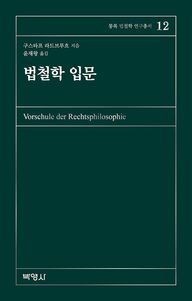
법철학 입문(몽록 법철학 연구총서 12)구스타프 라드브루흐 | 박영사
사례중심 기업회생-제2판윤덕주 | 박영사
동남아시아 국경을 넘는 이동의 정치(환태평양 연구총서 19)미셸 포드 | 이담북스
드론 혁명(KODEF 안보총서 130)일리야 세키린 | 플래닛미디어
병자호란 - 예정된 전쟁(지의 회랑 62)김영진 | 성균관대학교출판부
직진 신호는 직진 차량을 보호해 주지 않는다곽성열 | 좋은땅
공공계약 법규 및 실무(국가 지방자치단체 및 공공기관의)-최신개정6판강인옥, 최두선, 최기웅 | 광문각
물권법-제2판이진기 | 정독
법철학 입문(몽록 법철학 연구총서 12)구스타프 라드브루흐 | 박영사
교환/반품/환불
| 반품/교환방법 |
|
|---|---|
| 반품/교환 가능기간 |
|
| 반품/교환비용 |
|
| 반품/교환 불가 사유 |
|
| 상품 품절 |
|
| 소비자 피해보상 환불지연에 따른 배상 |
|
공지사항공지더보기
- [공지사항] 추석 연휴 전국 지점 영업시간 안내
- [공지사항] [세종이마트점] 2026 추석 연휴 영업시간 안내
- [공지사항] [인터넷 영풍문고] 2026년 추석 연휴 배송 일정 안내
- [이벤트 당첨자 발표] 하나은행 나라사랑카드 <전역 PACK 도서 리뷰 작성 이벤트> 당첨자 안내
- [이벤트 당첨자 발표] 26년 9월 <이달의 작가> 댓글 이벤트 당첨자 안내