








 AD광고
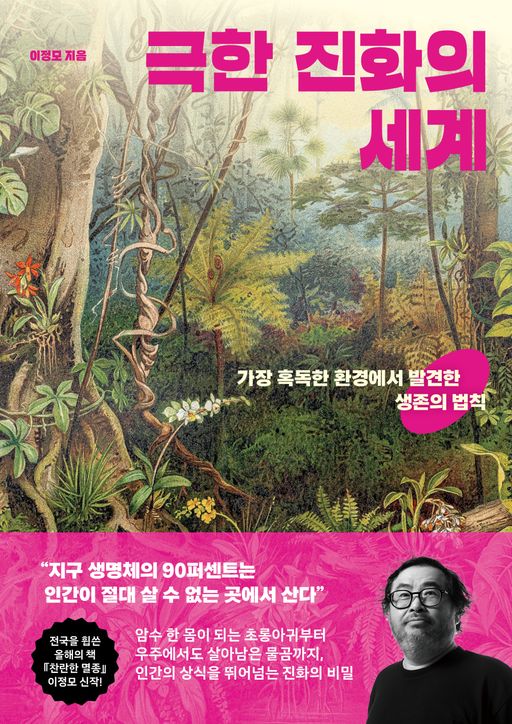
AD광고New경이롭고 치열한 생존 이야기극한 진화의 세계
 AD광고
AD광고New사랑과 우정으로 빛나는 모험프린세스 캐치 티니핑
적립금
1,050원 (5% 적립)
추가 적립
추가 적립 안내
5만원 이상 결제 시 (*배송비 제외)
정가제FREE(상품/사은품) 금액이 2,000원 이상이면 2,000원 추가적립
10만원 이상 결제 시 (*배송비 제외)
정가제FREE(상품/사은품) 금액이 2,000원 이상이면 2,000원 추가적립
정가제FREE(상품/사은품) 금액이 5,000원 이상이면 5,000원 추가적립
결제혜택
무이자 할부
신용카드 무이자할부 안내
결제사 혜택
결제사 혜택 안내



쿠폰
등록 페이지로 이동
18,900원
[네이버페이]
상품 규격 정보
| ISBN | ISBN-13 : 9791156836063 |
|---|---|
| 쪽수 | 333쪽 |
| 크기 | B5(188mm X 257mm, 사륙배판) |
| 제품구성 | 단행본 |
이 책이 속한 분야
- 인문/역사 > 교육학
관련 이벤트




책 소개
목차
저자 소개
도서리뷰
이 책을 읽고 어떤 느낌을 받으셨나요? 리뷰를 남기고 다른 독자들과 함께 공유해보세요.
구매(배송/수령완료) 후 리뷰를 작성하시면 적립금 300원을 드려요!
등록된 리뷰가 없습니다
첫번째 리뷰어가 되어주세요
이 분야에서 요즘 뜨는 책




죽음을 넘어 시대의 어둠을 넘어(광주5월 민주항쟁의 기록)(전면개정판)황석영,이재의,전용호 | 창비
여자 주인공들 - 이것은 불멸의 이야기오자은 | 생각의힘
무의식은 어떻게 나를 설계하는가 - 나를 살리기도 망치기도 하는 머릿속 독재자데이비드 이글먼 | RHK
한국인의 기원박정재 | 바다출판사
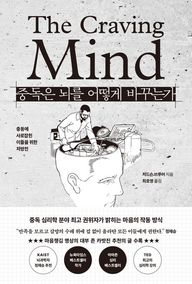
중독은 뇌를 어떻게 바꾸는가 - 충동에 사로잡힌 이들을 위한 처방전저드슨 브루어 | 알에이치코리아
세상은 실제로 어떻게 돌아가는가 - 우리의 문명을 정확하게 이해하기 위한 과학적 접근바츨라프스밀 | 김영사
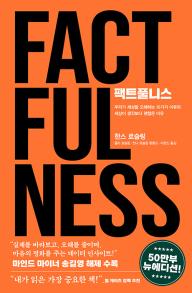
팩트풀니스 - 50만 부 뉴에디션한스 로슬링, 올라 로슬링, 안나 로슬링 뢴룬드 | 김영사
여자에 관하여(수전 손택 더 텍스트)수전 손택 | 윌북
죽음을 넘어 시대의 어둠을 넘어(광주5월 민주항쟁의 기록)(전면개정판)황석영,이재의,전용호 | 창비
여자 주인공들 - 이것은 불멸의 이야기오자은 | 생각의힘
무의식은 어떻게 나를 설계하는가 - 나를 살리기도 망치기도 하는 머릿속 독재자데이비드 이글먼 | RHK
한국인의 기원박정재 | 바다출판사
중독은 뇌를 어떻게 바꾸는가 - 충동에 사로잡힌 이들을 위한 처방전저드슨 브루어 | 알에이치코리아
세상은 실제로 어떻게 돌아가는가 - 우리의 문명을 정확하게 이해하기 위한 과학적 접근바츨라프스밀 | 김영사
팩트풀니스 - 50만 부 뉴에디션한스 로슬링, 올라 로슬링, 안나 로슬링 뢴룬드 | 김영사
여자에 관하여(수전 손택 더 텍스트)수전 손택 | 윌북
이 분야의 주간 베스트셀러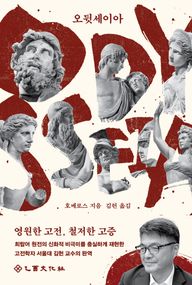
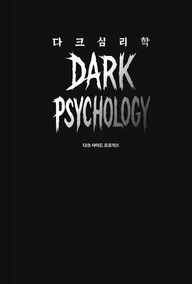

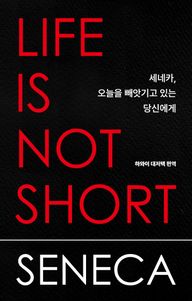
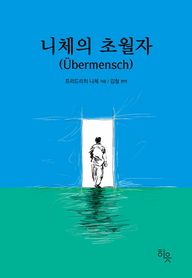
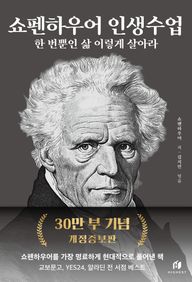

오뒷세이아 - 영원한 고전 철저한 고증 크리스토퍼 놀란 감독 영화 오디세이 그리스어 원전 완역본호메로스 | 을유문화사
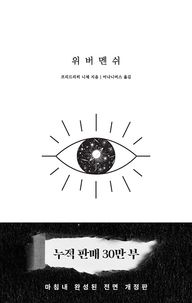
위버멘쉬 - 누구의 시선도 아닌 내 의지대로 살겠다는 선언프리드리히 니체 | RISE(떠오름)
다크 심리학다크 사이드 프로젝트 | 어센딩
손자병법 - 이겨놓고 싸우는 인생의 지혜 (현대지성 클래식 69)손자 | 현대지성
세네카 오늘을 빼앗기고 있는 당신에게세네카 | 논픽션
니체의 초월자프리드리히 니체 | 히읏
쇼펜하우어 인생수업(30만 부 기념 개정증보판) - 한 번뿐인 삶 이렇게 살아라아르투어 쇼펜하우어 | 하이스트
오디세이아(명화와 함께 읽는) - 국내 유일 명화 104점 수록 완역본(현대지성 클래식 65)호메로스 | 현대지성
오뒷세이아 - 영원한 고전 철저한 고증 크리스토퍼 놀란 감독 영화 오디세이 그리스어 원전 완역본호메로스 | 을유문화사
위버멘쉬 - 누구의 시선도 아닌 내 의지대로 살겠다는 선언프리드리히 니체 | RISE(떠오름)
다크 심리학다크 사이드 프로젝트 | 어센딩
손자병법 - 이겨놓고 싸우는 인생의 지혜 (현대지성 클래식 69)손자 | 현대지성
세네카 오늘을 빼앗기고 있는 당신에게세네카 | 논픽션
니체의 초월자프리드리히 니체 | 히읏
쇼펜하우어 인생수업(30만 부 기념 개정증보판) - 한 번뿐인 삶 이렇게 살아라아르투어 쇼펜하우어 | 하이스트
오디세이아(명화와 함께 읽는) - 국내 유일 명화 104점 수록 완역본(현대지성 클래식 65)호메로스 | 현대지성
이 분야의 새로 나온 도서





마오쩌둥의 중국 국가자본주의나이절 해리스 | 책갈피
내 인생 남에게 묻지 마라백익헌 | 책들의정원
조선 초기 절의파 두문동 72현 연구(민족문화 학술총서 51)김보정 | 혜안
인생의 해부학 - 완전한 질서 너머 삶의 의미를 찾아서가브리엘 웨스턴 | 더퀘스트
교사를 지키는 단단한 생활지도 : 상황별 실전 사례 100 - 선제적 예방 멘트로 주도권 설정 갈등 중재 문제행동과 학부모 대응까지이종대왕 | 테크빌교육
심언봉 장군 - 개정증보판:권력보다 정의를 명예보다 양심을 선택한 장군심정임(엮음) | 문화의힘
그리고 저 너머에-개정판(아직도 가야 할 길)M. 스캇 펙 | 율리시즈
틀밖의 박물관 2김진원 | 선인
마오쩌둥의 중국 국가자본주의나이절 해리스 | 책갈피
내 인생 남에게 묻지 마라백익헌 | 책들의정원
조선 초기 절의파 두문동 72현 연구(민족문화 학술총서 51)김보정 | 혜안
인생의 해부학 - 완전한 질서 너머 삶의 의미를 찾아서가브리엘 웨스턴 | 더퀘스트
교사를 지키는 단단한 생활지도 : 상황별 실전 사례 100 - 선제적 예방 멘트로 주도권 설정 갈등 중재 문제행동과 학부모 대응까지이종대왕 | 테크빌교육
심언봉 장군 - 개정증보판:권력보다 정의를 명예보다 양심을 선택한 장군심정임(엮음) | 문화의힘
그리고 저 너머에-개정판(아직도 가야 할 길)M. 스캇 펙 | 율리시즈
틀밖의 박물관 2김진원 | 선인
교환/반품/환불
| 반품/교환방법 |
|
|---|---|
| 반품/교환 가능기간 |
|
| 반품/교환비용 |
|
| 반품/교환 불가 사유 |
|
| 상품 품절 |
|
| 소비자 피해보상 환불지연에 따른 배상 |
|

18,900원
>
등록 페이지로 이동
공지사항공지더보기