


 AD광고
AD광고Best Seller별빛 가득 달콤한 시간별이 빛나는 고양이 마을 5
 AD광고
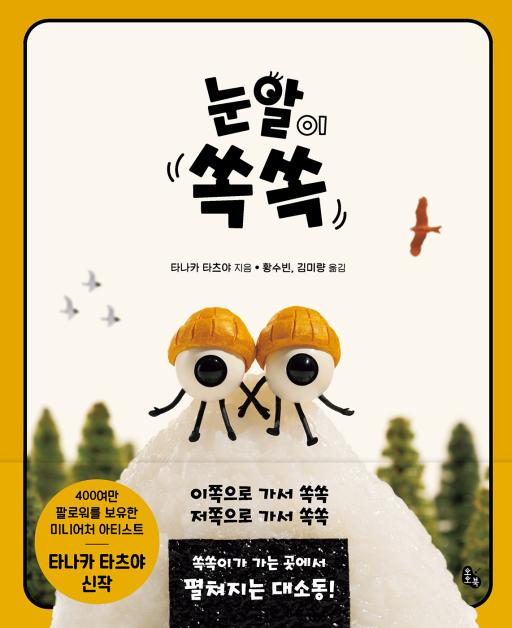
AD광고New사물에 생명을 불어넣는 마법의 그림책눈알이 쏙쏙
- 소득공제
- 무료배송
- 품절
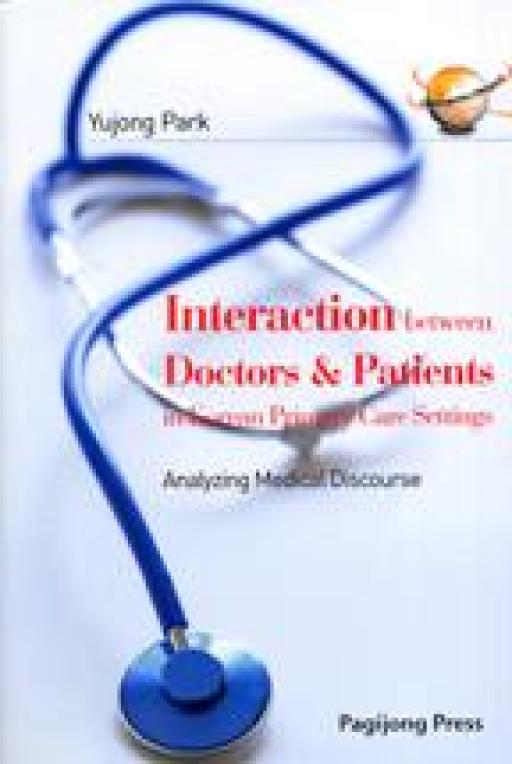
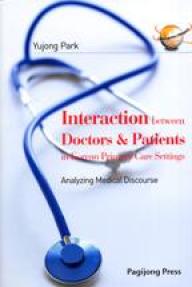
Interaction Between Doctors & Patients in KOREAN Primary Care Settings (영문판)
- YUJONG PARK 저
- 박이정
- 2009년 07월 22일
10%19,800원22,000
적립금
1,100원 (5% 적립)
추가 적립
추가 적립 안내
5만원 이상 결제 시 (*배송비 제외)
정가제FREE(상품/사은품) 금액이 2,000원 이상이면 2,000원 추가적립
10만원 이상 결제 시 (*배송비 제외)
정가제FREE(상품/사은품) 금액이 2,000원 이상이면 2,000원 추가적립
정가제FREE(상품/사은품) 금액이 5,000원 이상이면 5,000원 추가적립
결제혜택
무이자 할부
신용카드 무이자할부 안내
결제사 혜택
결제사 혜택 안내



쿠폰
등록 페이지로 이동
택배보다 빠른, 나우드림
[네이버페이]
상품 규격 정보
| ISBN | ISBN-13 : 9788962920505 |
|---|---|
| 쪽수 | 369쪽 |
| 크기 | A5(148mm X 210mm, 국판) |
| 제품구성 | 단행본 |
이 책이 속한 분야
- 외국어 > BOOKS ON KOREA
관련 이벤트


책 소개
목차
저자 소개
도서리뷰
이 책을 읽고 어떤 느낌을 받으셨나요? 리뷰를 남기고 다른 독자들과 함께 공유해보세요.
구매(배송/수령완료) 후 리뷰를 작성하시면 적립금 300원을 드려요!
등록된 리뷰가 없습니다
첫번째 리뷰어가 되어주세요
이 분야에서 요즘 뜨는 책
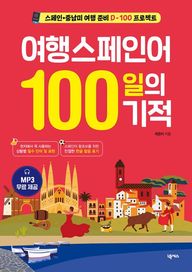
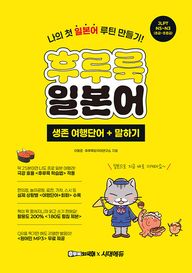
맛있는 여행 영어 - 누구나 미국 여행 100% 즐기기서영조 | 맛있는BOOKS
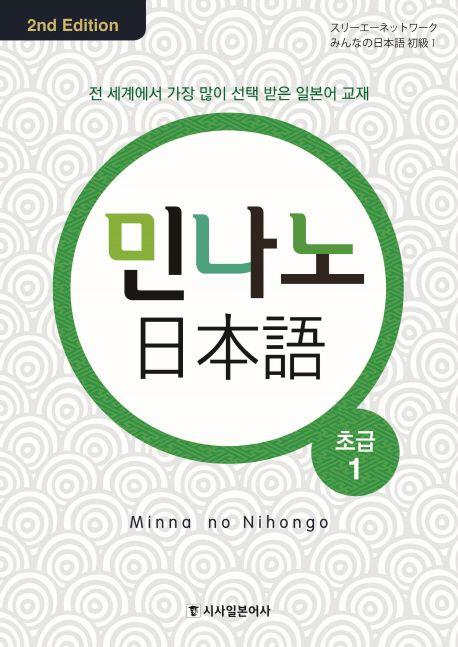
민나노 일본어 초급 1(2판)편집부 | 시사일본어사
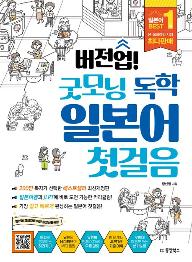
버전업 굿모닝 독학 일본어 첫걸음 - 2023 최신개정판정선영 | 동양북스
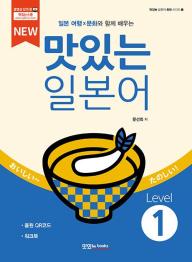
NEW 맛있는 일본어 Level 1 (본책 + 워크북 + 음원 QR 코드)(일본 여행X문화와 함께 배우는)(맛있는 일본어 회화 시리즈1)문선희 | 맛있는BOOKS
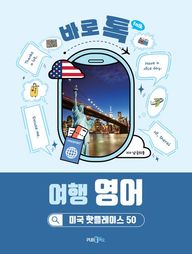
바로 톡 여행 영어 - 미국 핫플레이스 50남궁의용 | PUB.365
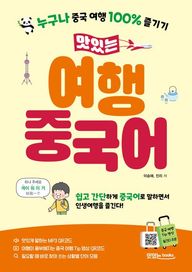
맛있는 여행 중국어 - 누구나 중국 여행 100% 즐기기이승해, 진리 | 맛있는BOOKS
여행스페인어 100일의 기적곽은미 | 넥서스
후루룩 일본어 생존 여행단어 + 말하기이동준,후루룩외국어연구소 | 시대에듀
맛있는 여행 영어 - 누구나 미국 여행 100% 즐기기서영조 | 맛있는BOOKS
민나노 일본어 초급 1(2판)편집부 | 시사일본어사
버전업 굿모닝 독학 일본어 첫걸음 - 2023 최신개정판정선영 | 동양북스
NEW 맛있는 일본어 Level 1 (본책 + 워크북 + 음원 QR 코드)(일본 여행X문화와 함께 배우는)(맛있는 일본어 회화 시리즈1)문선희 | 맛있는BOOKS
바로 톡 여행 영어 - 미국 핫플레이스 50남궁의용 | PUB.365
맛있는 여행 중국어 - 누구나 중국 여행 100% 즐기기이승해, 진리 | 맛있는BOOKS
여행스페인어 100일의 기적곽은미 | 넥서스
후루룩 일본어 생존 여행단어 + 말하기이동준,후루룩외국어연구소 | 시대에듀
이 분야의 주간 베스트셀러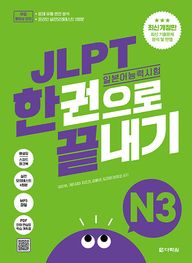
JLPT일본어 능력시험 한권으로 끝내기 N3-2026최신개정판이치우,기타지마 치즈코,김윤선,도리이 마이코 | 다락원
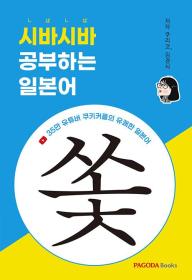
시바시바 공부하는 일본어 - 35만 유튜버 쿠키커플의 유쾌한 일본어쿠리코, 김경식 (쿠키커플) | 파고다북스
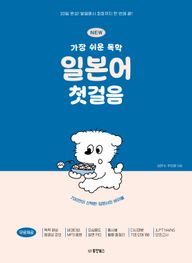
NEW 가장 쉬운 독학 일본어 첫걸음 - 30일 완성 발음에서 회화까지 한 번에 끝김연수, 주인원 | 동양북스
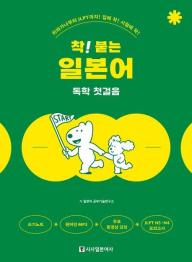
착 붙는 일본어 독학 첫걸음 - 히라가나부터 JLPT까지 입에 착 시험에 착일본어공부기술연구소 | 시사일본어사
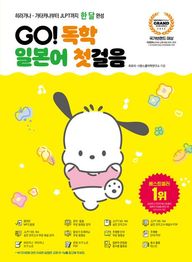
GO 독학 일본어 첫걸음 - 히라가나 가타카나부터 JLPT까지 한 달 완성최유리, 시원스쿨어학연구소 | 시원스쿨닷컴
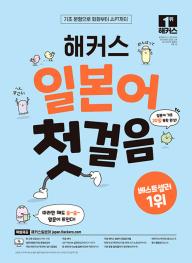
해커스 일본어 첫걸음:기초20일 독학 완성해커스일본어연구소 | 해커스어학연구소
JLPT일본어 능력시험 한권으로 끝내기 N3-2026최신개정판이치우,기타지마 치즈코,김윤선,도리이 마이코 | 다락원
시바시바 공부하는 일본어 - 35만 유튜버 쿠키커플의 유쾌한 일본어쿠리코, 김경식 (쿠키커플) | 파고다북스
NEW 가장 쉬운 독학 일본어 첫걸음 - 30일 완성 발음에서 회화까지 한 번에 끝김연수, 주인원 | 동양북스
착 붙는 일본어 독학 첫걸음 - 히라가나부터 JLPT까지 입에 착 시험에 착일본어공부기술연구소 | 시사일본어사
GO 독학 일본어 첫걸음 - 히라가나 가타카나부터 JLPT까지 한 달 완성최유리, 시원스쿨어학연구소 | 시원스쿨닷컴
해커스 일본어 첫걸음:기초20일 독학 완성해커스일본어연구소 | 해커스어학연구소
JLPT일본어 능력시험 한권으로 끝내기 N3-2026최신개정판이치우,기타지마 치즈코,김윤선,도리이 마이코 | 다락원
시바시바 공부하는 일본어 - 35만 유튜버 쿠키커플의 유쾌한 일본어쿠리코, 김경식 (쿠키커플) | 파고다북스
이 분야의 새로 나온 도서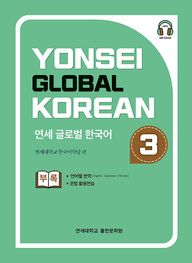
연세 글로벌 한국어 3연세대학교 한국어학당 교재편찬위원회 | 연세대학교출판문화원
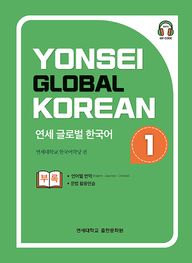
연세 글로벌 한국어 1연세대학교 한국어학당 교재편찬위원회 | 연세대학교출판문화원
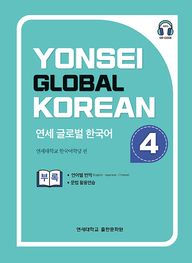
연세 글로벌 한국어 4연세대학교 한국어학당 교재편찬위원회 | 연세대학교출판문화원
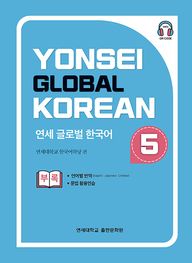
연세 글로벌 한국어 5연세대학교 한국어학당 교재편찬위원회 | 연세대학교출판문화원
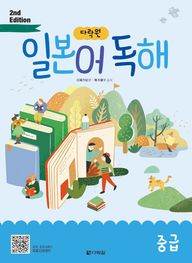
다락원 일본어 독해 중급 - 2/E코가 마키코,아오키 유코 | 다락원
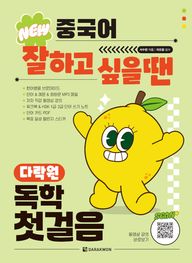
NEW 중국어 잘하고 싶을 땐 다락원 독학 첫걸음서수빈 | 다락원
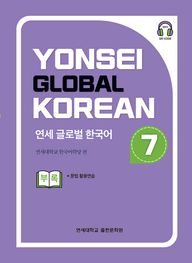
연세 글로벌 한국어 7연세대학교 한국어학당 교재편찬위원회 | 연세대학교출판문화원
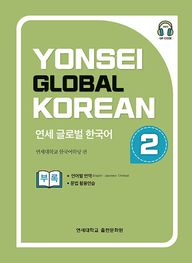
연세 글로벌 한국어 2연세대학교 한국어학당 교재편찬위원회 | 연세대학교출판문화원
연세 글로벌 한국어 3연세대학교 한국어학당 교재편찬위원회 | 연세대학교출판문화원
연세 글로벌 한국어 1연세대학교 한국어학당 교재편찬위원회 | 연세대학교출판문화원
연세 글로벌 한국어 4연세대학교 한국어학당 교재편찬위원회 | 연세대학교출판문화원
연세 글로벌 한국어 5연세대학교 한국어학당 교재편찬위원회 | 연세대학교출판문화원
다락원 일본어 독해 중급 - 2/E코가 마키코,아오키 유코 | 다락원
NEW 중국어 잘하고 싶을 땐 다락원 독학 첫걸음서수빈 | 다락원
연세 글로벌 한국어 7연세대학교 한국어학당 교재편찬위원회 | 연세대학교출판문화원
연세 글로벌 한국어 2연세대학교 한국어학당 교재편찬위원회 | 연세대학교출판문화원
교환/반품/환불
| 반품/교환방법 |
|
|---|---|
| 반품/교환 가능기간 |
|
| 반품/교환비용 |
|
| 반품/교환 불가 사유 |
|
| 상품 품절 |
|
| 소비자 피해보상 환불지연에 따른 배상 |
|
등록 페이지로 이동
공지사항공지더보기